confirmation bias.
This isn't a trick question. This isn't even dialectics. It's understanding the meaning of both and what the consequences are.
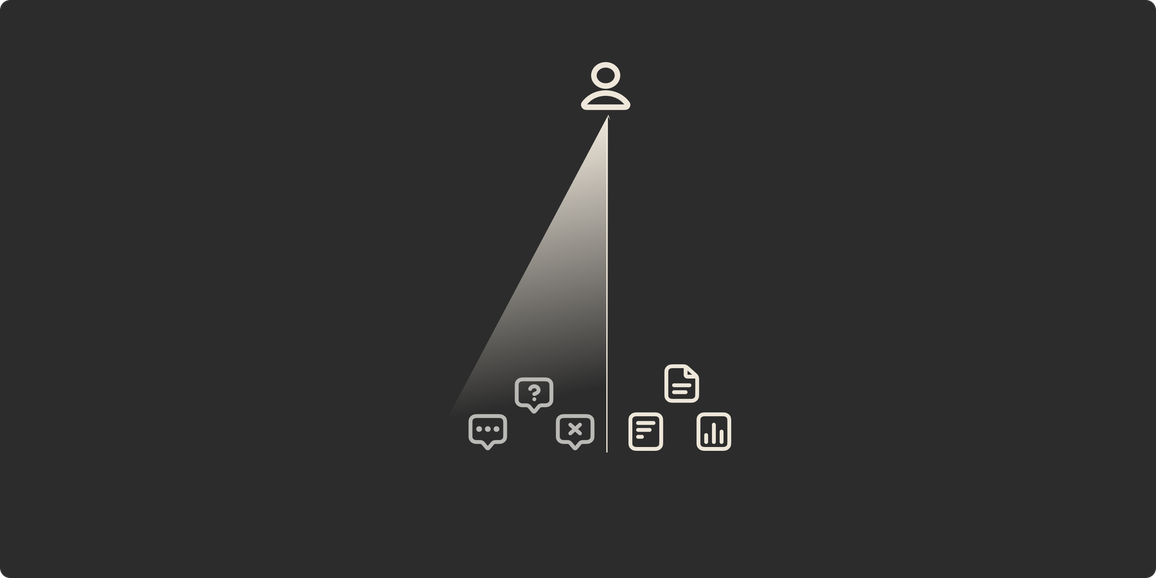
Confirmation bias is the tendency to search for, understand, and remember information that supports what you already believe.
It shows up in a few ways:
• You treat agreement as proof and disagreements as attacks
• You notice evidence that supports what you think and ignore any rebuttals.
• You look for the answers that you want, then stop there.
And everyone does this in some regard, some in less important situations than others. It's important to identify when this is happening.
This is how I do it:
• I name the belief. I label it and state what my conclusion is at the beginning.
• I look for disagreement. Finding the perspective of someone who disagrees and understand their pov.
• Separate the opinion from fact. Take what I believe and what they believe and remove as much subjectivity out of it.
• Update what my conclusion could be. I don't need to change my belief, but I should come away with a stronger understanding of my why.
If I have a fight with a loved-one, and begin to look for evidence on this, like their tone, any messages, or comments. I will begin to see that everywhere. It will in fact be the only thing i'd want to look for. I might even become upset if I am not receiving enough of it.
When I can rationalize what my be occurring from their perspective or objectively looking to what external forces could be attributing to this, I may still feel the same but at least have given the chance to offer differing explanations.
But moreover, what I do changes. Instead of escalating the story i'm building in my head, I give myself other points of reference.
Most people don't view the world in reality. They view it in the story they tell themselves.
If you want better judgment, stop searching for confirmation and start searching for correction.